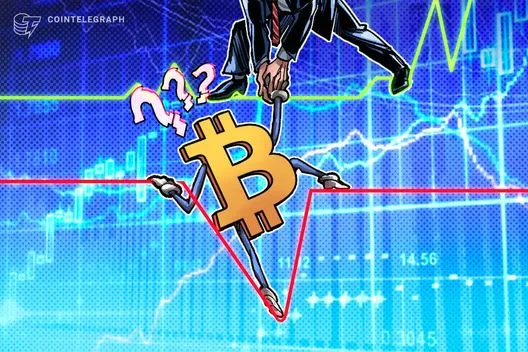
As Bitcoin struggles to maintain its momentum, recent developments surrounding newly appointed Federal Reserve Chair Kevin Warsh have left many investors perplexed. Despite Warsh's pro-crypto stance, Bitcoin's price has dipped significantly, raising questions about the cryptocurrency's future.
Short-Term Bond Yields and Rate Hike Concerns
On Saturday, Bitcoin (BTC) plummeted to $74,190, marking its lowest level in over a month. This decline comes amid rising fears of a potential interest rate hike in December, fueled by increasing short-term bond yields and Warsh’s previously hawkish comments on monetary policy.
The 2-year US Treasury yield surged to 4.14%, the highest it has been since February 2025, indicating that traders expect the Federal Reserve to maintain its current rate for the most part of 2026. With futures positioning pointing toward a possible 25 basis point increase in December, the specter of tightening monetary policy looms large over the Bitcoin market.
Understanding the Yield-Cryptocurrency Relationship
The connection between bond yields and Bitcoin prices is critical. Historical trends suggest that when the 2-year Treasury yield exceeds the federal funds rate, it often signals a forthcoming rate hike. Since the Fed typically increases rates when this gap widens, it creates an unfavorable environment for Bitcoin, which generally thrives during periods of declining yields and lower real rates.
Warsh’s Economic Views: Implications for Bitcoin
Kevin Warsh is known for his inflation hawk views. While he has expressed admiration for Bitcoin and criticized central bank digital currencies, his take on monetary policy poses challenges for Bitcoin's bullish prospects. Analyst Crypto Patel emphasized that Warsh’s regulatory friendliness does not equate to a dovish stance on interest rates, which could spell trouble for BTC's recovery.
Historical Context: Bitcoin and Fed Leadership Changes
Looking at Bitcoin's history around changes in the Fed leadership reveals a concerning trend. The cryptocurrency has notoriously struggled during such transitions, previously plummeting by:
- 84% following Janet Yellen’s appointment in January 2014
- 73% after Jerome Powell took over in February 2018
- 60% when Powell began his second term in May 2022
Now, as Warsh steps into his new role, the sharp decline in Bitcoin prices suggests investors are adopting a cautious approach while awaiting clearer policy directions.
Conclusion: Navigating Bitcoin's Future Amid Uncertainty
In summary, even with a pro-crypto Federal Reserve Chair, Bitcoin faces significant challenges triggered by macroeconomic factors, including rising yields and concerns over inflation. For investors, this tumultuous landscape requires careful navigation. Will Bitcoin rebound, or will these pressures continue to dampen its growth?
As always, investors are encouraged to conduct thorough research and weigh their options before engaging with cryptocurrency markets.